01
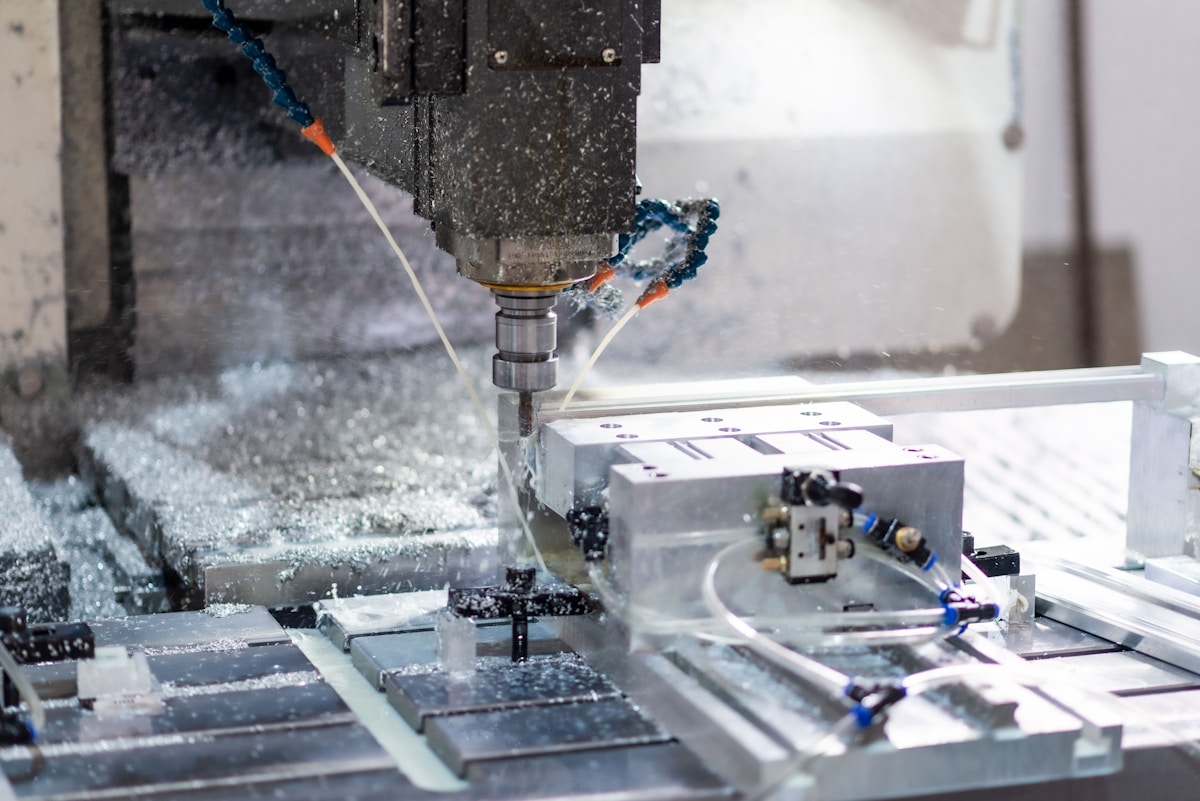
CNC Milling
Precision milling for custom components, machined details, and repeat parts that need consistent dimensional control.
Brampton, Ontario Machine Shop
Send the drawing, quantity, material, and due date. Get a straightforward review, direct communication, and dependable follow-through from quote through delivery.
Brampton machining support with clear quoting, dependable workmanship, and direct contact with the shop.

Founder and Director with four decades of steel industry experience.
Founding Story
Thevan Kandiah has worked in metalworking since 1993, starting as a CNC operator and moving into lead hand and supervisor roles after learning the day-to-day realities of production, setup, and shop-floor problem solving.
He also studied CNC at Humber College and launched Micwel Machining in 2019 to give customers a shop that reviews work realistically, communicates early when something needs clarification, and keeps the job moving with fewer surprises.
Capabilities
Swipe through the work types the shop handles most often, from custom one-offs to repeat production support.
Precision milling for custom components, machined details, and repeat parts that need consistent dimensional control.
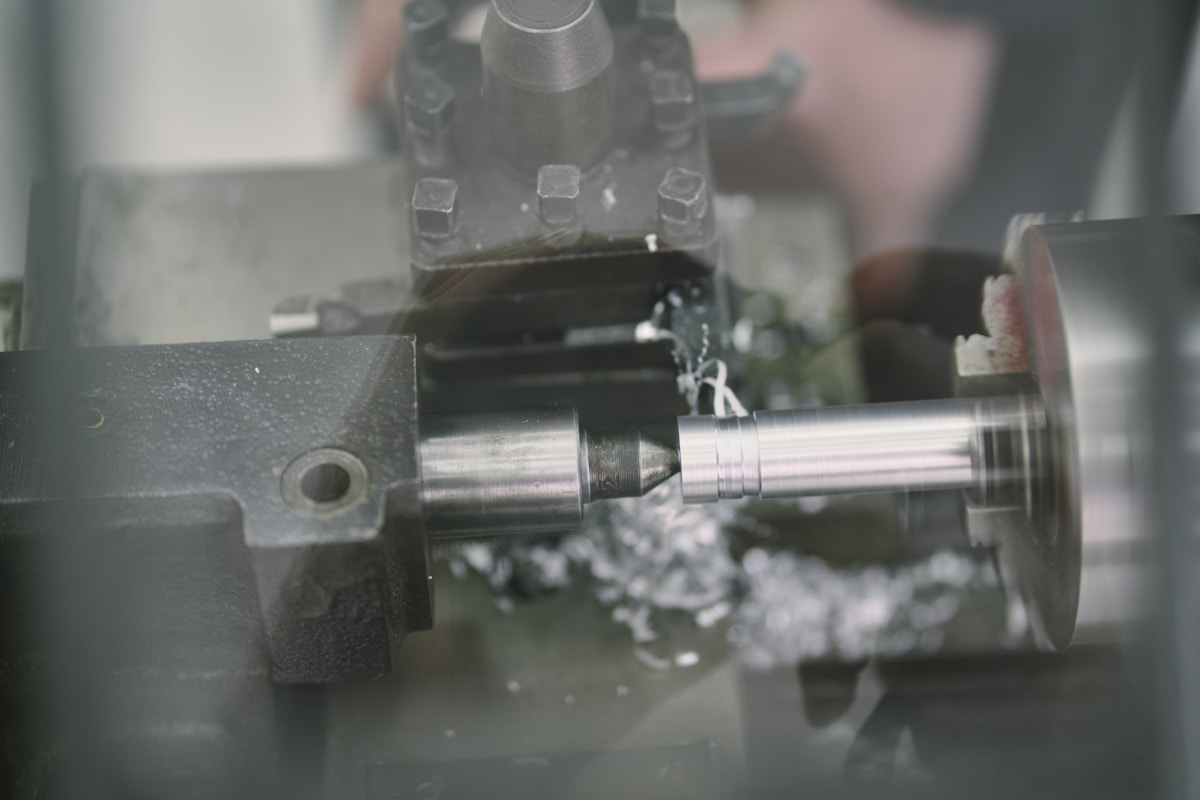
Accurate turned parts for shafts, bushings, sleeves, and other rotational components where fit and repeatability matter.
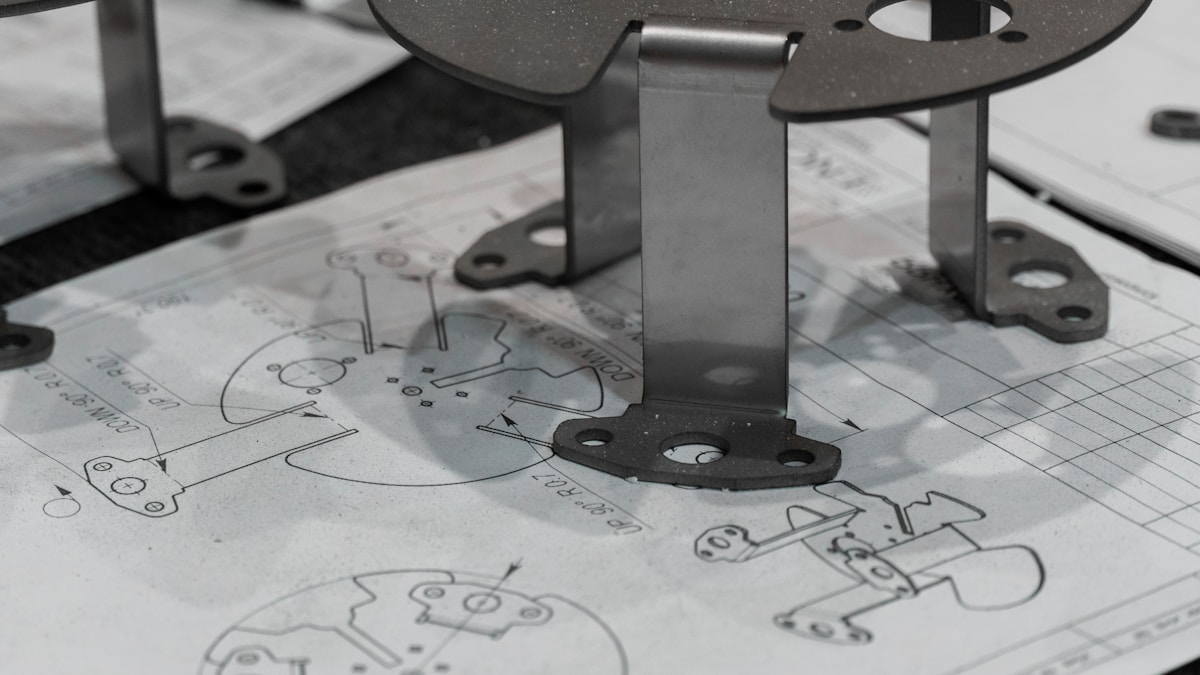
Prototype support for fit checks, early-stage development, and first-run parts that need careful review before production.
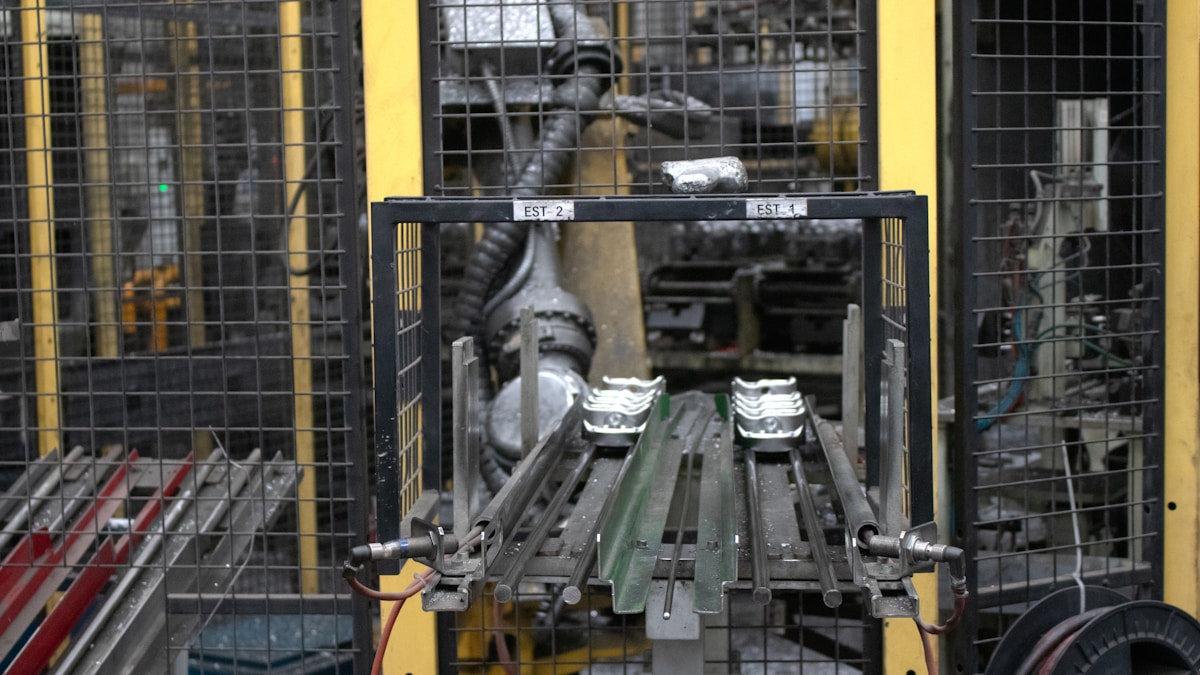
Repeat production work supported by clear quoting, organized workflow, and dependable follow-through from release to delivery.

Job-specific parts for OEM work, maintenance requirements, specialty assemblies, and replacement component needs.
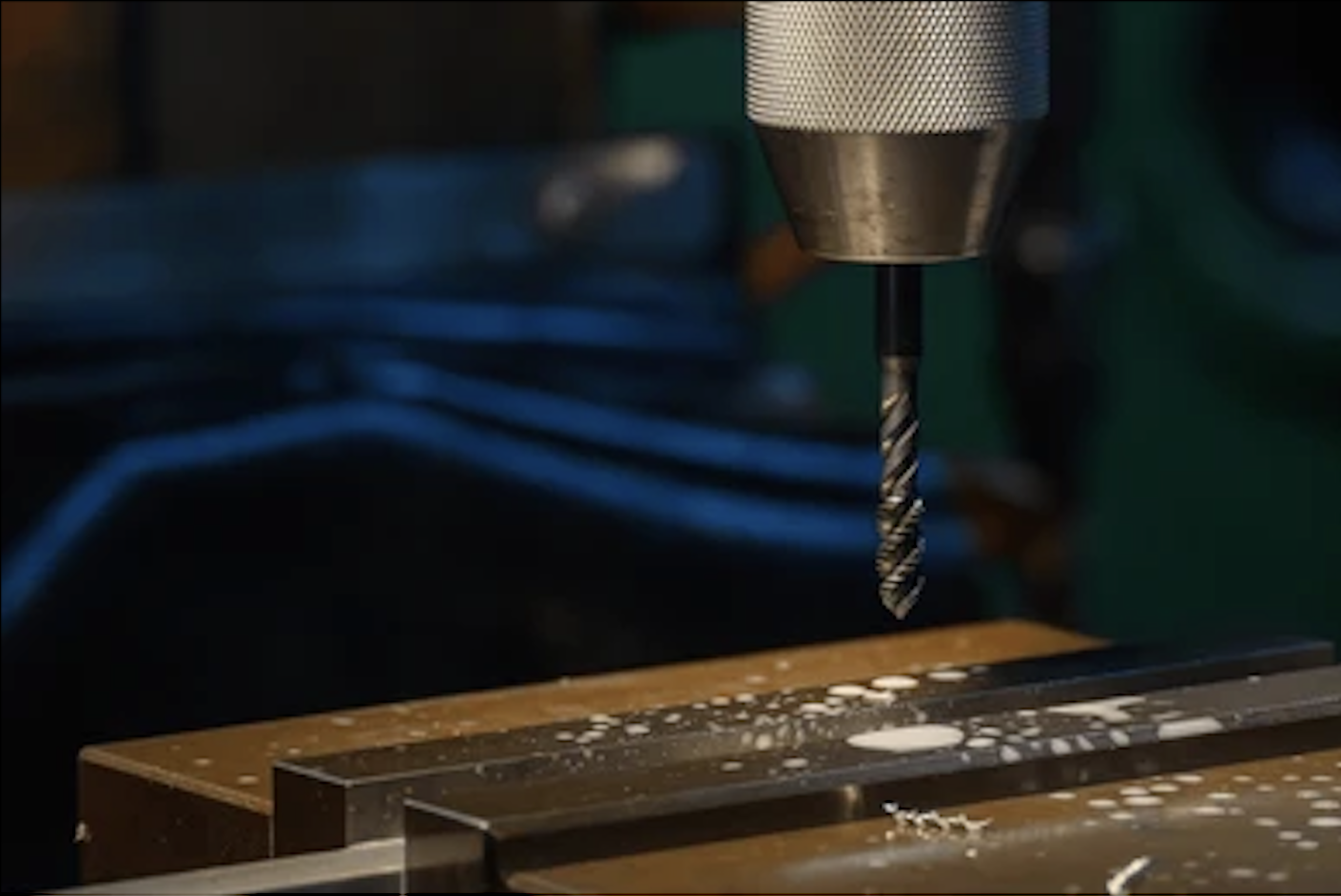
Threading, drilling, tapping, deburring, and final prep that help move parts out ready for the next step.
Materials
The fastest RFQs include the exact material, quantity, and any finish or cert requirements that affect sourcing, tooling, or lead time.
If the material is unknown or the job has legacy constraints, call before release so the review can start with the right assumptions.
Use the RFQ to specify exact grade, stock form, and any required finish, certification, or traceability notes.
Quality
When you send a drawing, you should be able to understand how the shop handles inspection, machine fit, and communication on anything that could affect the job.
Parts are reviewed against the drawing requirements so important dimensions and job notes are checked before the order closes out.
Clear fit checks help you understand early whether the part, material, and volume are aligned with the shop before time is lost in back-and-forth.
Quote communication, sourcing coordination, and delivery planning stay visible so you are not left guessing where the job stands.
Shop Photos
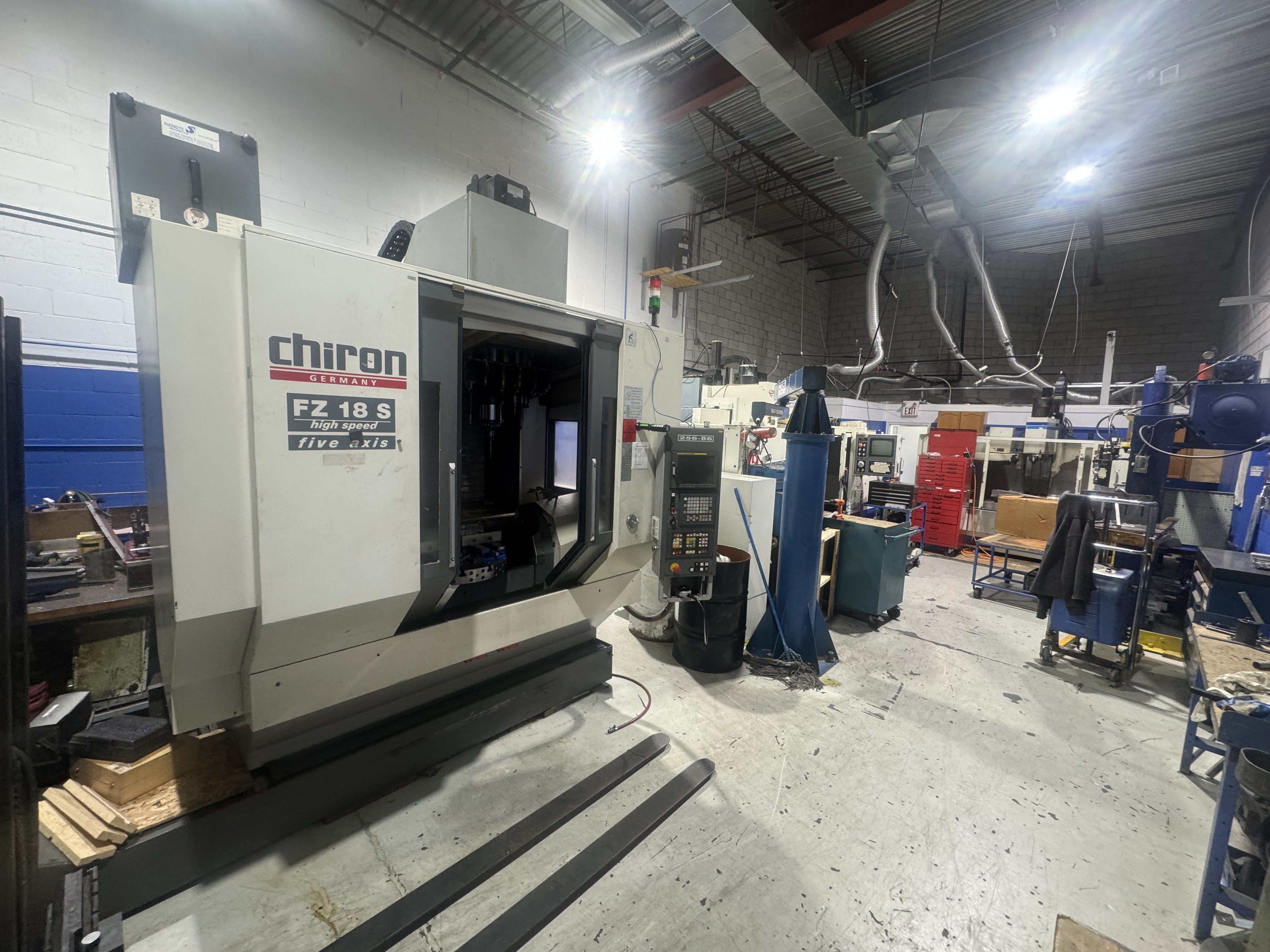
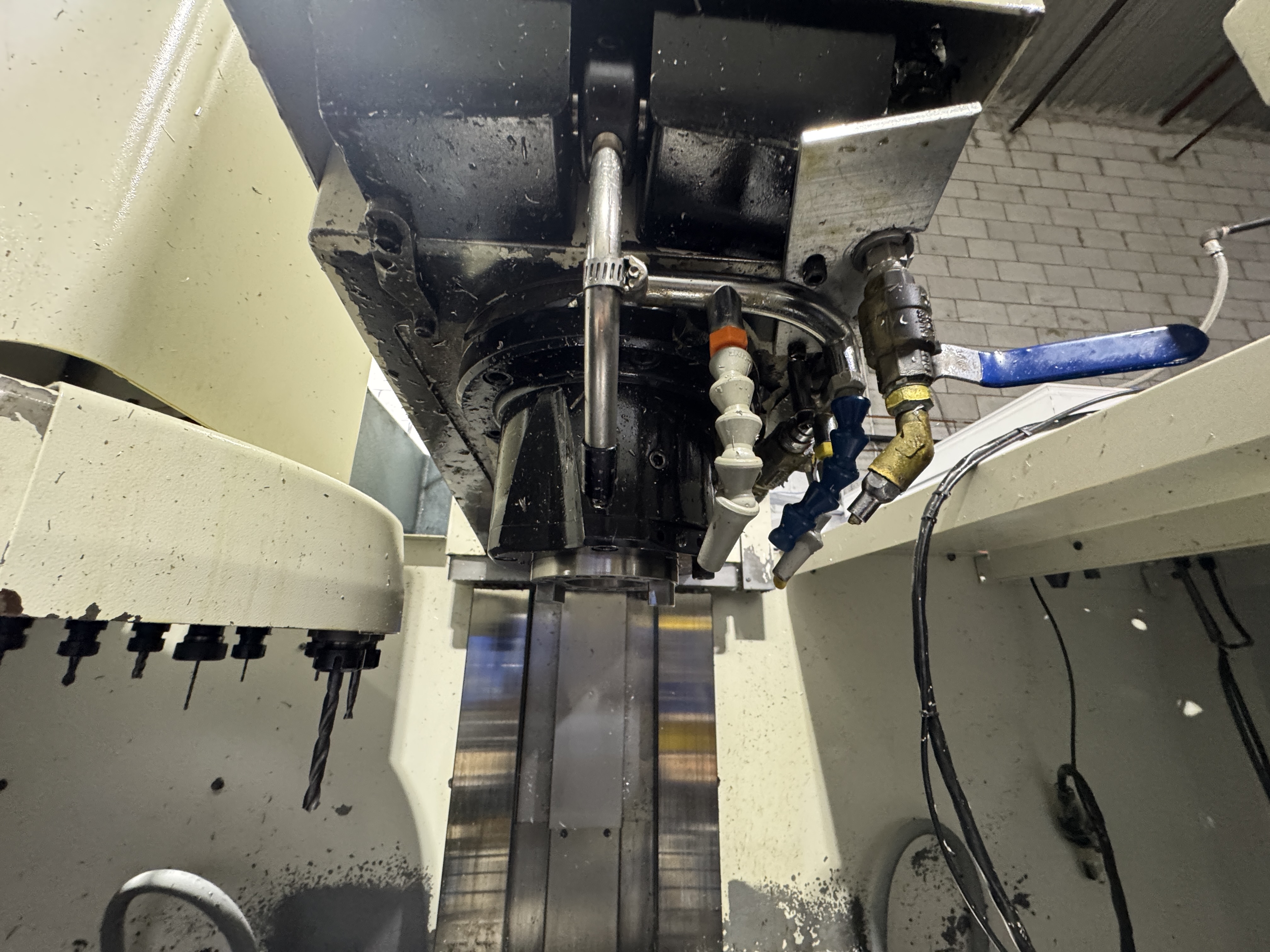
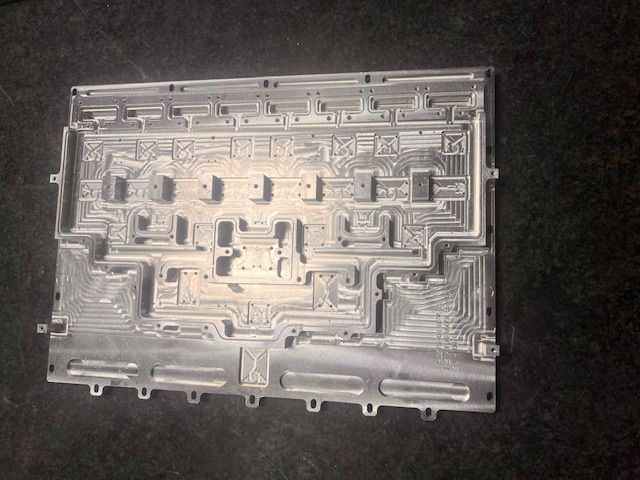
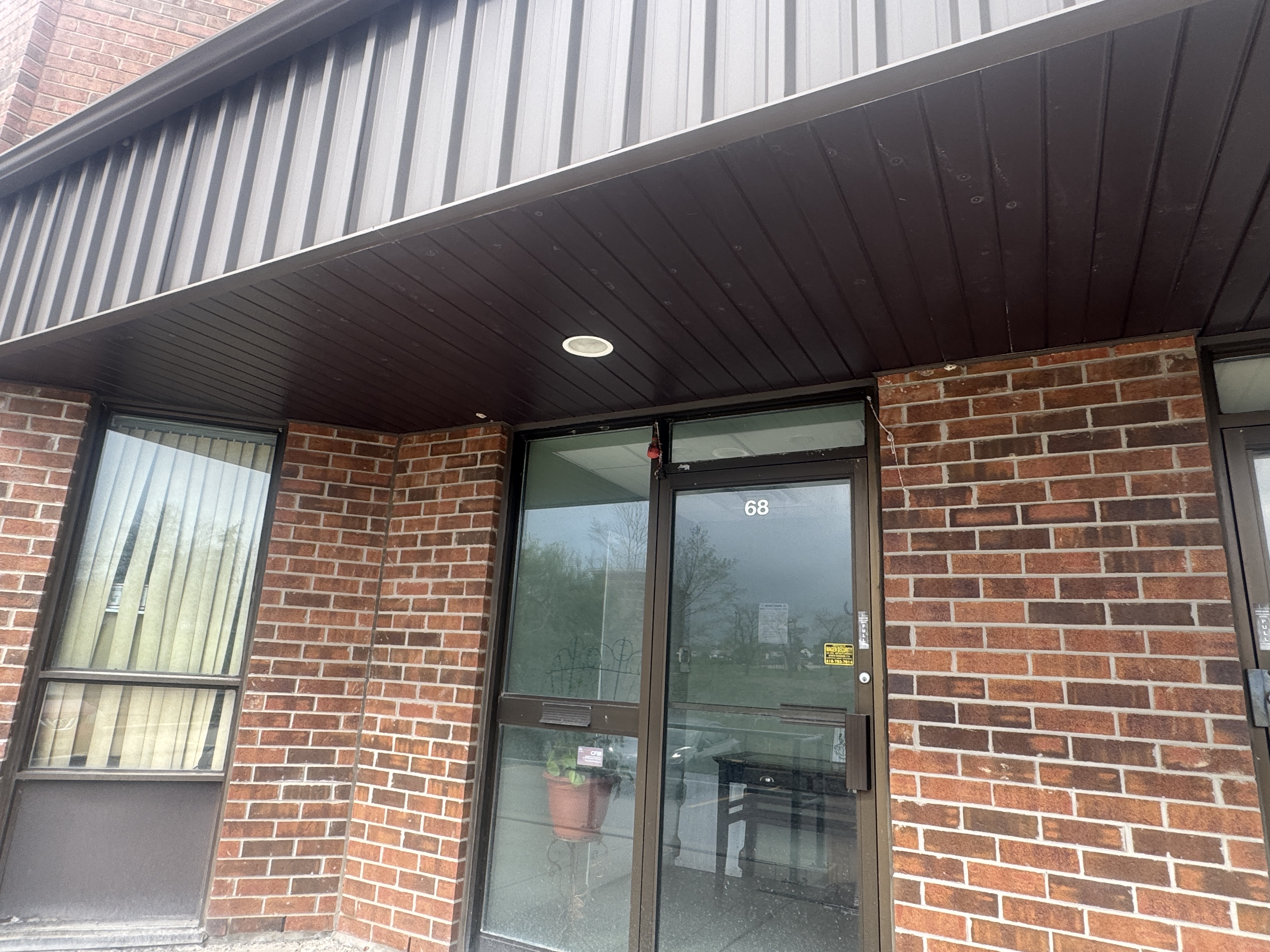
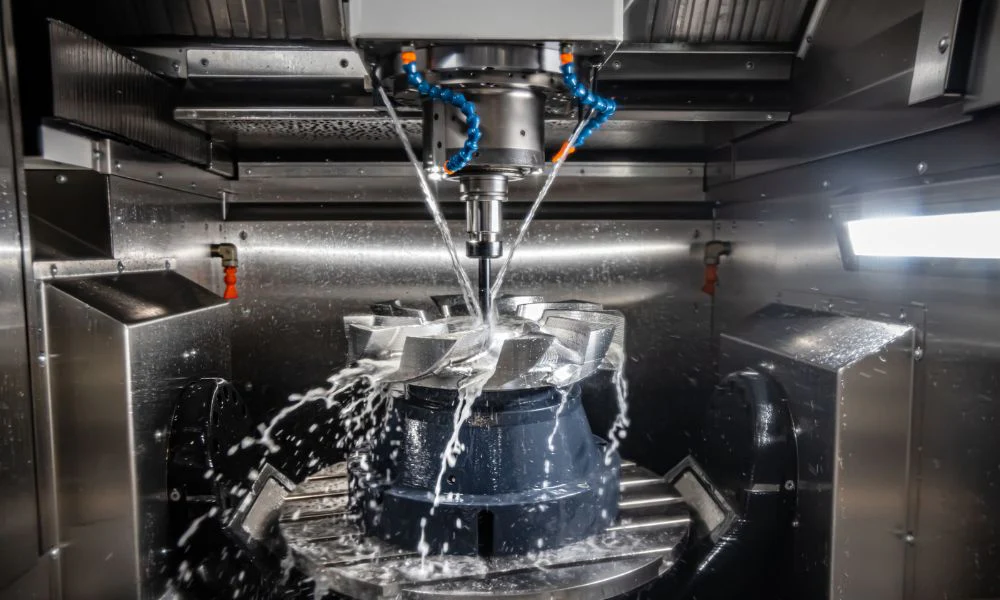
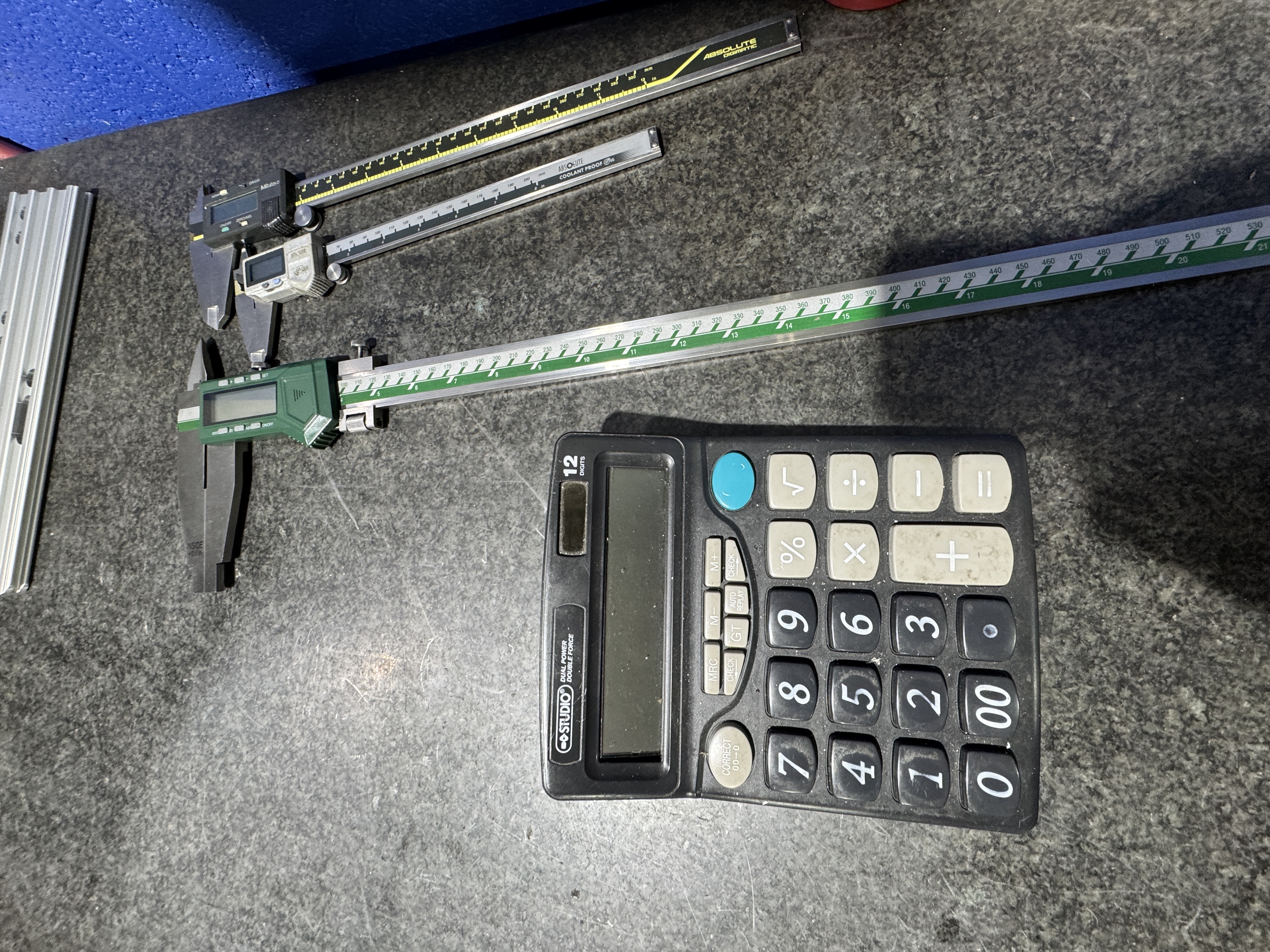
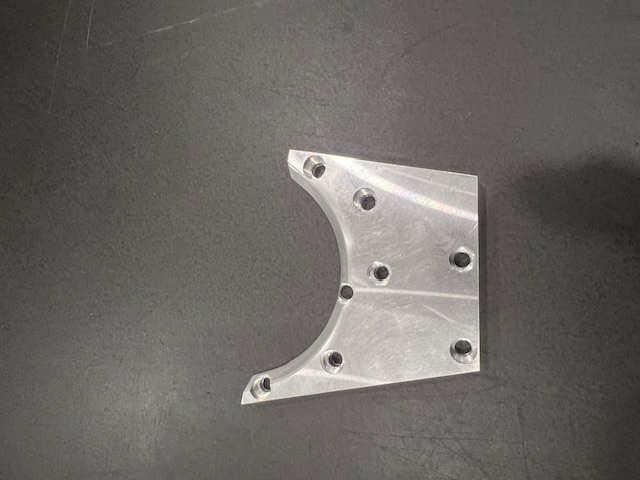
Real photos help you confirm the business is active, equipped, and local before you hand off a custom or time-sensitive job.
Process
Start with the part information that affects price and timing, then move through a review path that stays clear from quote to delivery.
Share the drawing or sample, material, quantity, due date, and any critical notes.
Get a fit review, scope clarification when needed, and a quote path that stays easy to follow.
The work moves through machining and checks tied to the part requirements and quantity.
Close out with organized delivery coordination or pickup arrangements that are confirmed in advance.
Brampton Shop Details
For replacement parts, repeat work, and fast-moving RFQs, it helps to know exactly where the shop is, how to contact it, and where your quote is being reviewed.
RFQ
Include the part scope, material, quantity, and due date so the review can start without unnecessary follow-up.